
When ‘Compromise’ Becomes Abuse ?
Compromise is healthy only when it's mutual. Learn the Signs of Abusive Relationship and how to recognise when adjustment becomes self-sacrifice, emotional harm, or abuse.
Shaarvi Shalini
11/28/20253 min read
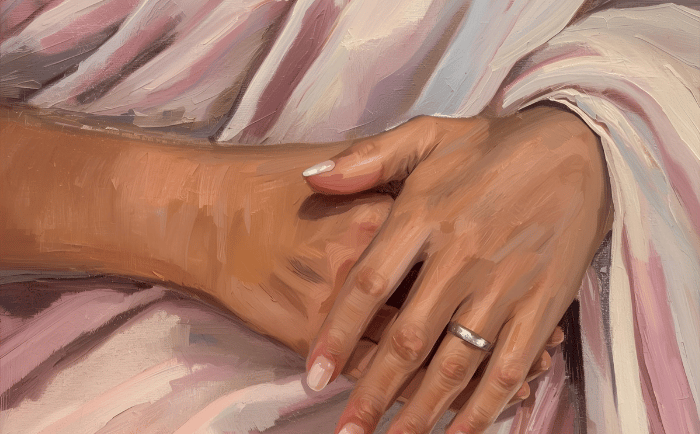

When Does ‘Compromise’ Stop Being Compromise?
Signs of Abusive Relationship
A gentle Shaarvi guide to understanding healthy vs. harmful adjustment in Indian marriages.
In almost every Indian household, women grow up hearing, “Shaadi compromise se chalti hai” — marriage survives on compromise. Many women silently struggle to recognise when compromise becomes unhealthy or how to know when adjustment becomes self-abandonment in marriage.
This blog explains the signs compromise is hurting you, the shift from healthy to harmful adjustment, and when compromise quietly becomes emotional harm or abuse.
What Healthy Compromise Looks Like - Understanding healthy vs unhealthy compromise
Healthy compromise is mutual. Both partners adjust, both give, and both feel heard and respected. It creates balance, teamwork, and connection rather than emotional strain.
Healthy compromise looks like:
adjusting sleep schedules
sharing responsibilities
discussing habits
finding middle ground
accommodating each other’s needs
balancing careers and family expectations
resolving differences respectfully
In healthy compromise:
you don’t lose your identity
you don’t lose your sense of safety
you don’t lose your dignity
you don’t walk on eggshells
you don’t live in fear
Healthy compromise feels like: “We solved this together.” AND NOT LIKE - “I gave in again.” for xyz reasons...
When Compromise Starts Becoming Unhealthy - Signs compromise is becoming harmful
Unhealthy compromise is one-sided. You give, adjust, silence yourself, absorb emotional pressure, and carry the weight of the relationship alone. Over time, this doesn’t feel like partnership — it feels like emotional labour with no return.
Early signs include:
you stop expressing your needs
you avoid topics to keep peace
you apologise even when you are right
you say “yes” when your heart says “no”
you feel responsible for his moods
you change your behaviour to prevent reactions
you begin hiding small things out of fear
This is no longer compromise — this is self-abandonment.
And it rarely happens all at once. It builds slowly, one silence at a time.
The Moment Compromise Stops Being Compromise - How to know when compromise is unhealthy
There is one clear moment when compromise becomes harmful: when you start shrinking to keep the peace.
Compromise is no longer healthy when you notice:
you speak less freely
you express less honestly
you stop sharing your real thoughts
you avoid disagreements completely
you agree almost always for display of harmony
your personality becomes smaller
you don’t feel heard or understood
you feel emotionally alone in the relationship
If the cost of peace is your voice, that peace is not real.
When Compromise Becomes Self-Betrayal - When adjustment becomes self-abandonment
Self-betrayal is the stage where you begin giving up pieces of yourself to survive. It often begins with good intentions — wanting to maintain peace, avoid conflict, protect children, or save the marriage. But over time, it breaks you from the inside.
Signs include:
suppressing your personality
shrinking your dreams
tolerating disrespect to avoid arguments
staying quiet even when you’re deeply hurt
making excuses for him to family or friends
feeling guilty for having needs
believing a little more adjustment will fix things
These patterns slowly turn compromise into emotional exhaustion and hopelessness.
Women often tell themselves:
“I don’t want to create drama.”
“I don’t want to upset him.”
“Let me adjust a little more.”
“Maybe things will get better.”
But these “little more” moments quietly steal your freedom, confidence, and sense of self.
When Compromise Becomes Abuse - Recognising emotional harm in marriage
Compromise becomes abuse when you lose emotional safety.
It becomes abuse when:
fear replaces respect
silence becomes your survival tool
children start walking on eggshells
you keep peace by hiding your feelings
your worth is questioned repeatedly
your boundaries are ignored
expressing disagreement feels unsafe
unpredictability becomes normal
you live in emotional or physical fear
This is not compromise.
This is emotional oppression.
The saddest part is that many women still blame themselves because society glorifies tolerance as a virtue. But tolerating suffering is not the same as building peace.
A Gentle, Honest Line to Remember
“Compromise is something you do with someone. Suffering is something you do alone.”
And also:
“Compromise is shared. Fear is not.”
These two lines can help you recognise your truth with clarity instead of guilt.
A Soft Check-In for Your Heart
You don’t need to analyse everything.
Just notice:
Do you compromise, or do you surrender?
Do you adjust willingly, or under fear?
Do you feel respected after disagreements?
Does your home feel calm, or controlled?
Do you give more and receive less?
Are you losing your voice, or growing together?
Are your compromises building love, or breaking you slowly?
Only your heart knows the answer, and you are allowed to listen to it.
You Are Allowed to Want Balance
As you reflect, notice the subtle signs compromise is hurting you, especially when adjustment begins to feel like pressure rather than partnership. Recognising when compromise becomes unhealthy is not selfish — it is self-respect. You deserve a relationship where your voice, your safety, and emotional wellbeing matter.
You’re not wrong for wanting respect, peace, or honesty. You’re not over demanding for wanting to be heard. You’re not overreacting for wanting emotional safety. Compromise is beautiful when it is shared — it is destructive when it is one-sided.
If this blog brought clarity or recognition, know that you are not alone, and you are not imagining your feelings. You deserve a relationship where you do not have to disappear a little more each day just to keep it going.
— Shaarvi